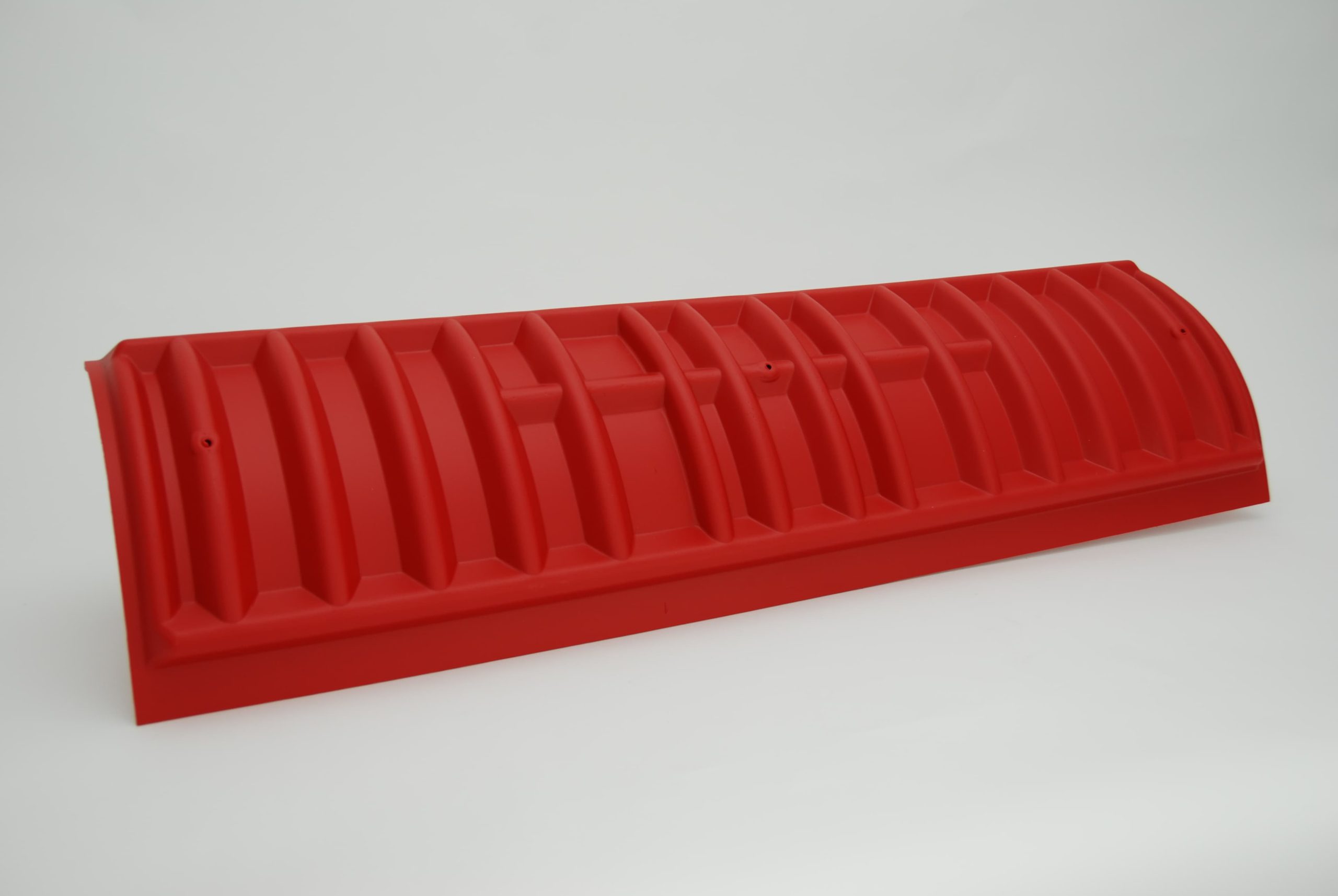
The twin sheet thermoforming process is used to create durable, cost-effective, hollow components used by OEMs throughout multiple industries, including the transportation industry. From panels and floor liners to other less noticeable parts, twin sheet thermoforming can be seen widely throughout multiple sectors of the transportation industry.
Allied Plastics breaks down the twin sheet thermoforming process step-by-step while highlighting five applications for the transportation industry, and key benefits of the service as well.
Breaking Down the Twin Sheet Thermoforming Process
The twin sheet thermoforming process contains five key steps that ultimately create your designed product. When the initial pre-production engineering has taken place – design reviews, material selection, volume amount, etc. — it’s when these steps begin.
Sheet clamping takes the two sheets from the chosen material, and they are loaded and clamped into horizontal frames. Once clamped and framed, the sheets are heated simultaneously in specialized ovens until both sheets reach an appropriate forming temperature without melting. This phase is critical as temperature control can make the difference between perfectly formable sheets or a melted mess that requires rework.
When the two sheets have reached the required temperature necessary, that’s when the forming takes shape. Forming happens when the soft sheets are placed over molds and are pulled against the shape at the same time and form the actualized part. The plastics remain hot when the molds are compressed together, so the edges and structural ribbing points combine.
The final step is for the thermoformed part to cool until it’s hardened plastic and then eject from the mold itself.
Usage in Transportation Equipment
Narrowing down the twin sheet thermoforming process to only five applications in the transportation equipment is difficult, but that’s part of the excitement.
Thermoforming operations are likely most seen as both interior and exterior panels specifically body panels, door panels, trim pieces, and seat backs.
Twin sheet thermoforming operations are also seen in air ducts and ductwork in general for various transportation needs. Another example of the twin sheet thermoforming process at work for transportation applications are shrouds, base covers, engine-bay covers, and protective housings.
In a similar vein to the interior and exterior panels, floor liners and bed liners for trunks, truck beds, and even tractor-trailers can be made through twin sheet thermoforming. A final application for transportation needs are equipment enclosures and rugged cases for instrument transportation.
Benefits of Twin Sheet Thermoforming
Viewing the twin sheet thermoforming process lends itself to viewing the benefits of the manufacturing process as well. The transportation industry as a whole utilizes thermoforming operations because of the benefits that stem from production.
Twin sheet thermoforming itself creates double-walled, hollowed components that feature high structural integrity which provide rigid and strong parts while remaining lightweight. These parts are lightweight, and they are affording plenty of creative liberties in design elements. Multiple materials can be used in twin sheet thermoforming operations which every material entails different material properties. Twin sheet thermoforming, unlike a single sheet operation, has both sides of the part come into contact with the tool which means a tighter overall part tolerance.
Lastly, the tooling costs associated with not just twin sheet thermoforming, but any thermoforming process, are going to be lower compared to metal operations and even other forms of plastic manufacturing like injection molding.
Partner With Allied Plastics for Expert Implementation of the Twin Sheet Thermoforming Process
Allied Plastics are true industry experts when applying and implementing the twin sheet thermoforming process. We’ve served numerous industries including multiple transportation industries such as automotive and heavy trucking since our inception over 30 years.
Our twin sheet thermoforming operations include 9 ft x 14 ft x 60” depth of draw. And starting sheet thicknesses can range from .060” – .550”. Quality always comes first in everything we do in our Twin Lakes, Wisconsin, facility, and we hold two ISO certifications – 9001 and 14001.
When your team is ready to put the twin sheet thermoforming process to work, Allied Plastics is here for you. Contact us today and let’s get started on creating your project.