There are multiple ways to manufacture large part products in the modern era, but some methods are better than others. Thermoforming vs injection molding remains a hot-button issue with both services lending themselves to large plastic part manufacturing. However, thermoforming for large parts specifically holds the upper hand not only from a cost perspective, but from a technical point of view as well.
Allied Plastics showcases a side-by-side comparison of thermoforming vs injection molding and why thermoforming might prove to be a better solution for large part manufacturing.
Practical Rules for Thermoforming vs Injection Molding
Thermoforming vs injection molding in plastic manufacturing is a spirited debate, but ultimately, there are some key differences not just in the actual manufacturing processes themselves, but also the technical capabilities and best applications and practices as well.
Thermoforming
Thermoforming is best suited for large part manufacturing as the tooling for thermoforming operations is traditionally more cost-effective compared to injection molding. The design process doesn’t have to incorporate molds and cavities within the mold. If there is a drawback to thermoforming, it’s that for large part manufacturing it is best suited for low to medium volume amounts.
While thermoforming operations are best suited for large part manufacturing, there are other considerations to make that can cause pause before electing for these services. Thermoforming works best when simple geometries are the design for the part. The more complex a given geometry is, the more likely a defect is going to occur such as uneven or weakened wall thickness.
Injection Molding
Injection molding is better suited for small to medium sized part manufacturing at high volumes in order to offset the initial high investment in tooling prior to manufacturing. The complexity of injection molding lends itself to small to medium sized parts as the bigger parts become, the more tooling costs become and the actual ability to perform injection molding becomes impeded.Large Part Thermoforming Applications
Because of the necessary clamping forces as well as cost-effectiveness as a result of more economical tooling costs, these examples of large parts look to thermoforming instead of injection molding:
- Truck bed liners
- Utility bed liners
- Refrigerator and freezer liners
- Interior vehicle panels
- Trim shells
- Medical equipment housings
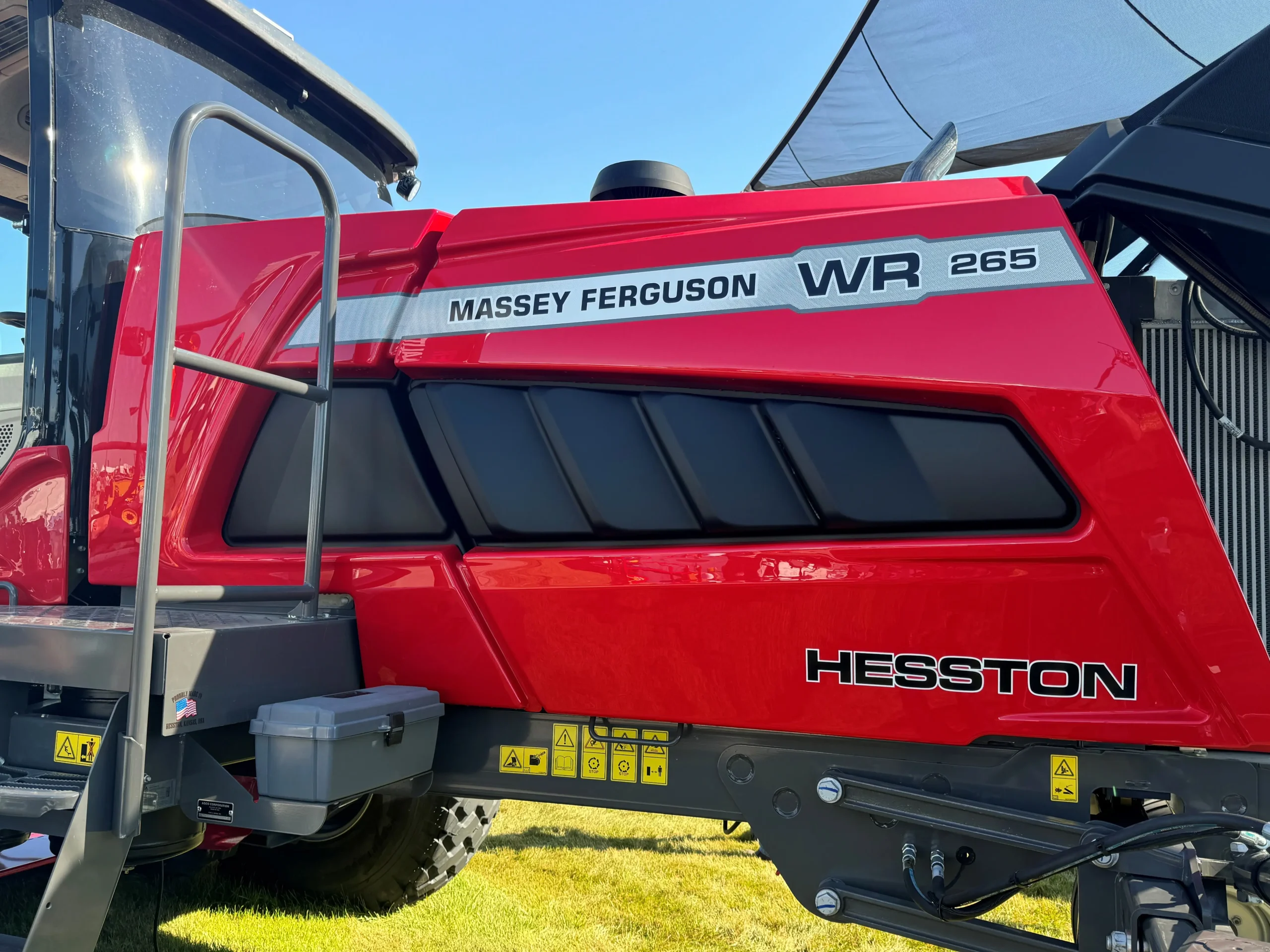
- Agriculture covers
End the Thermoforming vs Injection Molding Debate and Contact Allied Plastics Today
For over 30 years, Allied Plastics has served as a globally recognized leader in heavy gauge thermoforming manufacturing projects. We provide OEMs in multiple industries with the high-quality thermoformed products they need to maintain successful operations.
We have routinely consulted OEMs and other customers on thermoforming vs injection molding projects. Each manufacturing service offers its own set of benefits, applications, and considerations, but when parts need to be large and heavy, thermoforming presents itself as the only viable option.
And that’s where Allied Plastics comes into play. Our skilled team of technicians, engineers, designers, and leadership combine all their knowledge and expertise into making your thermoforming projects streamlined and high quality.
End your internal debate on thermoforming compared to injection molding and contact our team today.